May 1, 2026
Understanding how a well is constructed is the first step toward ensuring a safe, reliable, and long-lasting water source. From selecting the right type of well to choosing an appropriate site and complying with environmental regulations, every decision plays a role in performance and durability. Materials, technology, and professional expertise all come together to determine how efficiently a water well will operate over time. By learning the basics of well construction and long-term maintenance, property owners can make informed choices that protect both water quality and system longevity.
Understanding the Basics of Well Construction
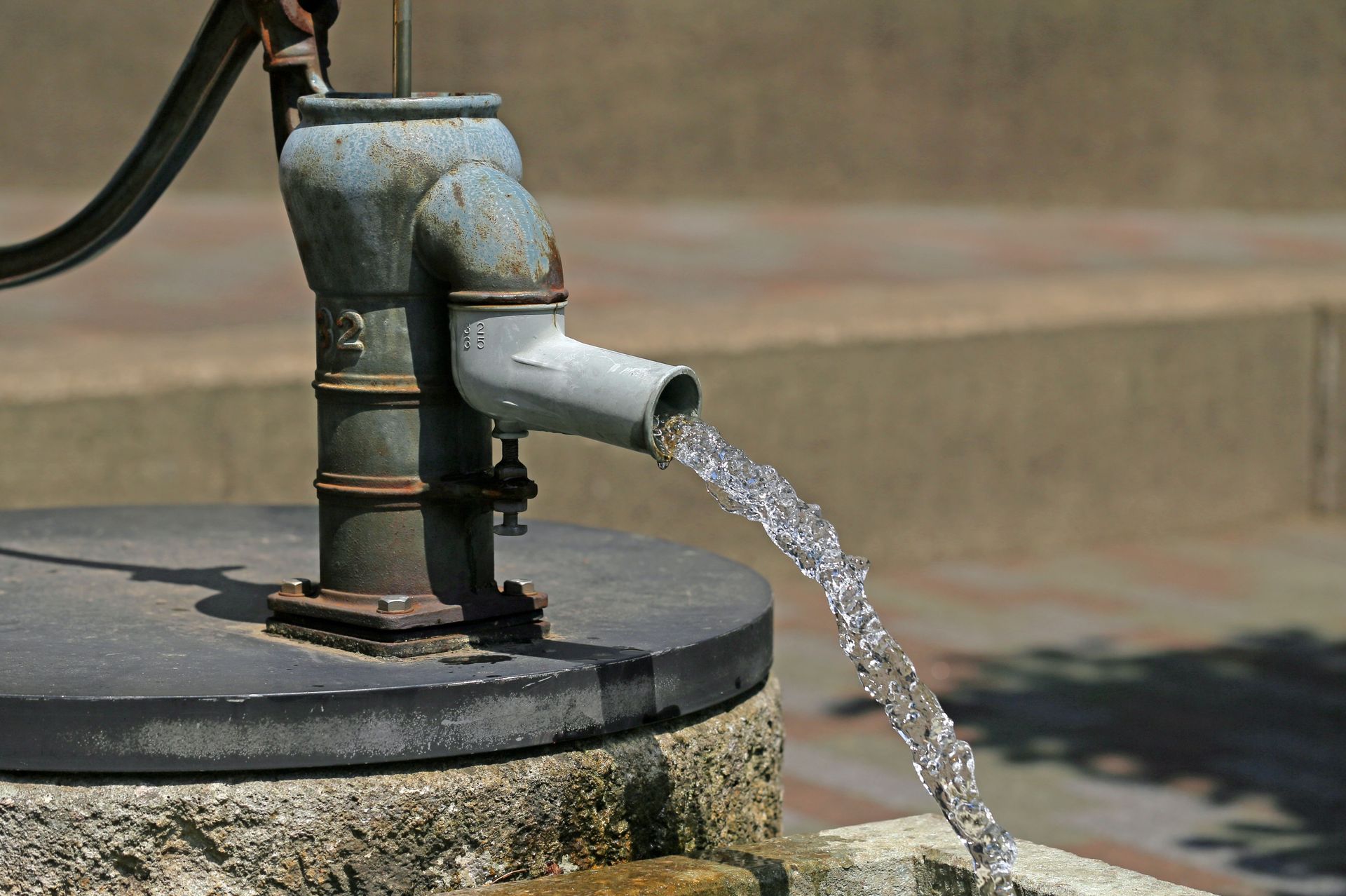
Choosing the right type of well is fundamental to ensuring its durability and efficiency. The main types of wells are dug, driven, and drilled, each with unique construction methods. Dug wells, the oldest type, are created by excavating the ground manually, making them shallow and susceptible to contamination. Driven wells involve driving a small-diameter pipe into soft earth, which provides more depth than dug wells but less than drilled wells. Drilled wells, often equipped with a casing for protection, are the deepest and most reliable, as they reach past surface contaminants, offering better quality water and a longer lifespan.
Selecting the proper site for your well is crucial and involves several environmental and logistical factors. The proximity to potential sources of contamination, such as septic systems or industrial areas, must be considered to maintain water purity. Additionally, the site's geography, including the water table and the composition of the substrate, can influence both the construction process and the well's efficiency. Ensuring an accessible location for maintenance without disturbing other utilities provides long-term operational ease. Well-planned site selection ultimately impacts the well’s effectiveness and longevity.
Legal and environmental regulations play an important role in water well construction. Compliance with local water rights and usage laws helps secure the legal protection of your water supply. Additionally, understanding environmental considerations is crucial for minimizing ecological impact and potential legal issues. Implementing construction methods that align with environmental guidelines ensures the protection of local ecosystems and your well’s sustainability. Being proactive in understanding and adhering to these regulations is essential to safeguarding your well investment.
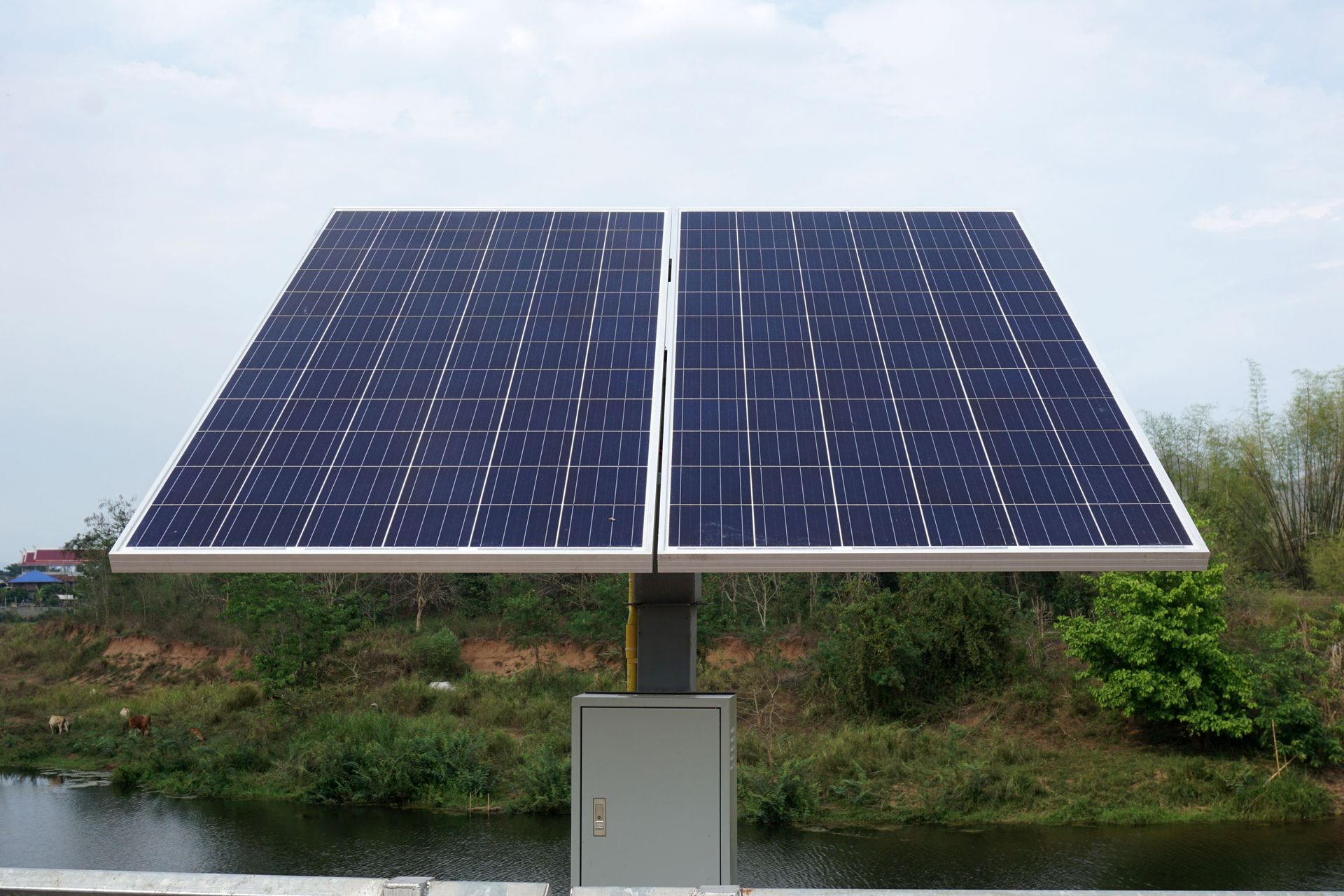
The selection of appropriate materials and technology significantly influences the well’s longevity and reliability. High-quality materials like steel or reinforced concrete for casing can withstand the pressures of depth and environmental elements over time. Technological advancements, such as modern drilling techniques and state-of-the-art pumps, optimize performance and energy efficiency. Considering durable materials and cutting-edge technology is a worthwhile investment to ensure your well provides lasting service. As technology evolves, staying informed about new solutions can further enhance your well system’s efficiency and durability.
Engaging certified professionals for well construction is a critical step towards a successful project. Experts bring a wealth of knowledge in geology, engineering, and regulatory compliance that can prevent costly mistakes and ensure optimal well performance. Professional services not only enhance the quality of construction but also provide valuable guidance on maintenance and system upgrades. According to Water Well Journal, a well can last anywhere from 25 to 100 years, depending on construction quality and maintenance, highlighting the importance of professional involvement. Investing in professional expertise protects your investment and ensures your water well meets the necessary standards for longevity.
Maintaining Your Well for Longevity
Developing a regular inspection schedule is key to maintaining your well’s health and efficiency. This proactive approach enables the early detection of potential issues such as leaks, corrosion, or mechanical failures. Scheduling inspections annually, or more frequently based on environmental conditions, assures continuous well performance. Documentation of inspections and maintenance activities provides valuable insights for future reference. Implementing a comprehensive inspection routine is a strategic measure to ensure your well remains a dependable water source.
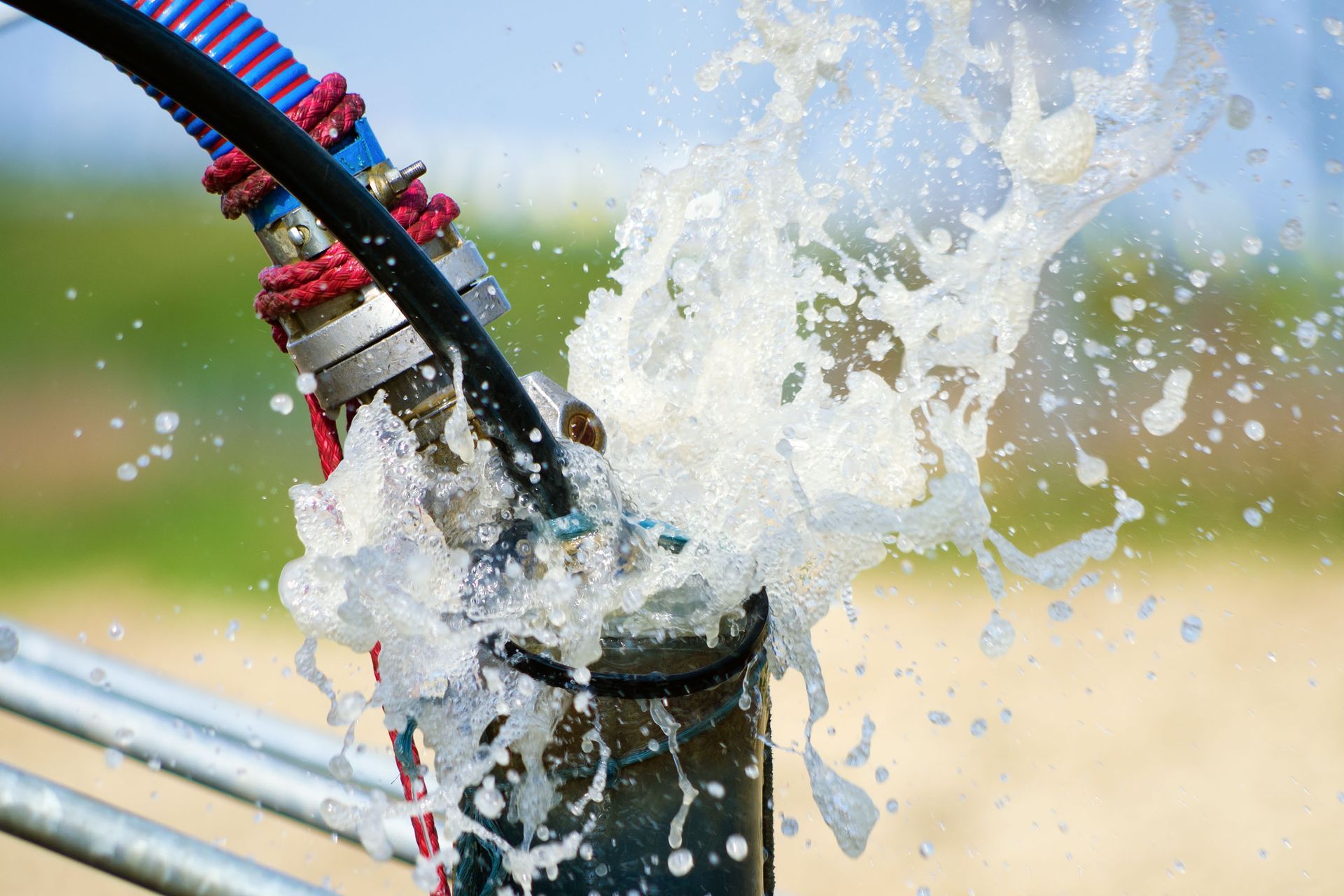
Maintaining your well involves more than simply examining the structure; the functionality of pumps and related equipment is equally significant. Regular checks and servicing of the pump system prevent unexpected failures and extend operational lifespan. Cleaning and lubricating moving parts ensures efficient performance. Periodically assessing the backup systems, such as generator checks, secures water supply continuity during power outages. Proactive maintenance of water well equipment ensures smooth, uninterrupted access to clean water.
Testing your well water is essential for safeguarding the health and well-being of its users. Periodic tests for contaminants like bacteria, nitrates, and lead help ensure the water remains safe for consumption. Understanding water characteristics through testing informs the need for any treatment systems. Keeping abreast of these results facilitates timely interventions, preserving water purity. Conducting regular water quality tests is a cornerstone practice to uphold both safety and confidence in your well’s output.
Staying vigilant with minor repairs can prevent more substantial problems from arising later. Addressing issues such as leaks, cracks, or rust shortly after detection helps preserve the structural integrity of your well. Without timely intervention, these small imperfections can lead to greater inefficiencies and costly repairs. Moreover, promptly replacing worn-out components prevents operational interruptions. This proactive maintenance approach ensures that your well operates efficiently for its entire potential lifespan.
Understanding Water Table and Environmental Factors
Understanding and monitoring your well's water level is vital for managing its operation and sustainability effectively. Regular measurements provide insights into the behavior of the local water table, allowing for timely and informed decisions about usage. This data is crucial in anticipating changes due to environmental factors or increased demand. Techniques such as electronic sensors offer precise monitoring, guaranteeing accurate data collection. Keeping track of water levels is a foundational practice for sustaining your well's performance and ensuring dependable access to water.
Drought conditions can impose significant stress on both the water table and water well performance. Implementing strategies to reduce water usage during droughts minimizes the risk of depleting your well. Additionally, incorporating water-saving techniques like rainwater harvesting and efficient irrigation extends the well’s capacity. Awareness and adaptation are essential to overcoming challenges posed by extended dry periods. A proactive approach helps mitigate drought impact, ensuring your well can endure through environmental extremes.
Shielding your well from potential sources of contamination is a critical aspect of water quality preservation. Proper sealing prevents surface water and runoff from introducing pollutants and bacteria into the well system. Additionally, ensuring the surrounding areas are free from chemical hazards like pesticides reduces contamination risks. Installing protective barriers and maintaining a safe distance from contamination sources are paramount for safeguarding your water quality. Implementing these protective measures reinforces the reliability and safety of your water well system.
Well owners must also consider the threat of flooding, which can compromise both water quality and structural integrity. Measures like elevating the wellhead or adding flood barriers minimize water ingress during high water events. Regular cleanup of flood-induced sediment and debris is necessary to maintain well functionality post-flood. These practical steps help ensure your well system remains resilient in the face of flooding challenges. Preparing for such eventualities further demonstrates the importance of substantial planning in long-term well-being.
A properly constructed well is only as strong as the planning and care behind it. If you’re planning a new well or need guidance on maintaining an existing one, don’t leave it to guesswork. Reach out to a certified water well construction professional from Geyer Drilling Company Inc today to evaluate your site, discuss your options, and ensure your water system is built for safety, efficiency, and long-term reliability.