September 30, 2026
A residential water well provides access to groundwater for household use, making it an important part of a property's overall infrastructure. Unlike a municipal supply that connects a home to a centralized distribution system, a private well requires a properly planned source, casing, pump, pressure equipment, and related components. Installation decisions can affect water availability, system performance, and the long-term condition of the property. Homeowners should therefore approach installation as a complete water supply project rather than simply having a hole drilled on the land. Understanding the role of each component can make it easier to evaluate proposals, discuss site conditions, and plan for future service. A properly considered water well installation should address both immediate household needs and long-term system performance.
Evaluate Groundwater Conditions and Site Location
Groundwater conditions can vary significantly from one property to another, even within the same general area. A professional drilling company evaluates geological information, terrain, surrounding wells, and other site characteristics when determining an appropriate location and drilling approach. The depth and construction requirements can depend on the underlying formations and the availability of usable groundwater. According to Thebusinessresearchcompany.com, the water well drilling services market reached $3.98 billion in 2025, reflecting the substantial scale of professional services involved in developing groundwater sources.
Review Well Construction Components
A complete water well installation involves more than the drilled opening itself. Casing helps stabilize the borehole and provides a protected pathway for water, while sealing materials can help limit the movement of contaminants into the well. Screens or other components may be used depending on the geological conditions and construction method. The pump and associated equipment then move groundwater into the home's plumbing system, making coordination among the different components important for proper operation.
Compare Drilling Methods and Construction Approaches
Different geological settings can require different drilling methods, and the appropriate approach depends on factors such as formation characteristics, expected depth, site access, and project objectives. A professional contractor can determine which equipment and drilling process are suitable for the property's conditions after evaluating available information. Construction choices can also influence how the borehole is protected, how groundwater enters the system, and how pumping equipment is installed. Homeowners benefit from discussing these decisions before work begins so they understand why a particular approach has been selected.
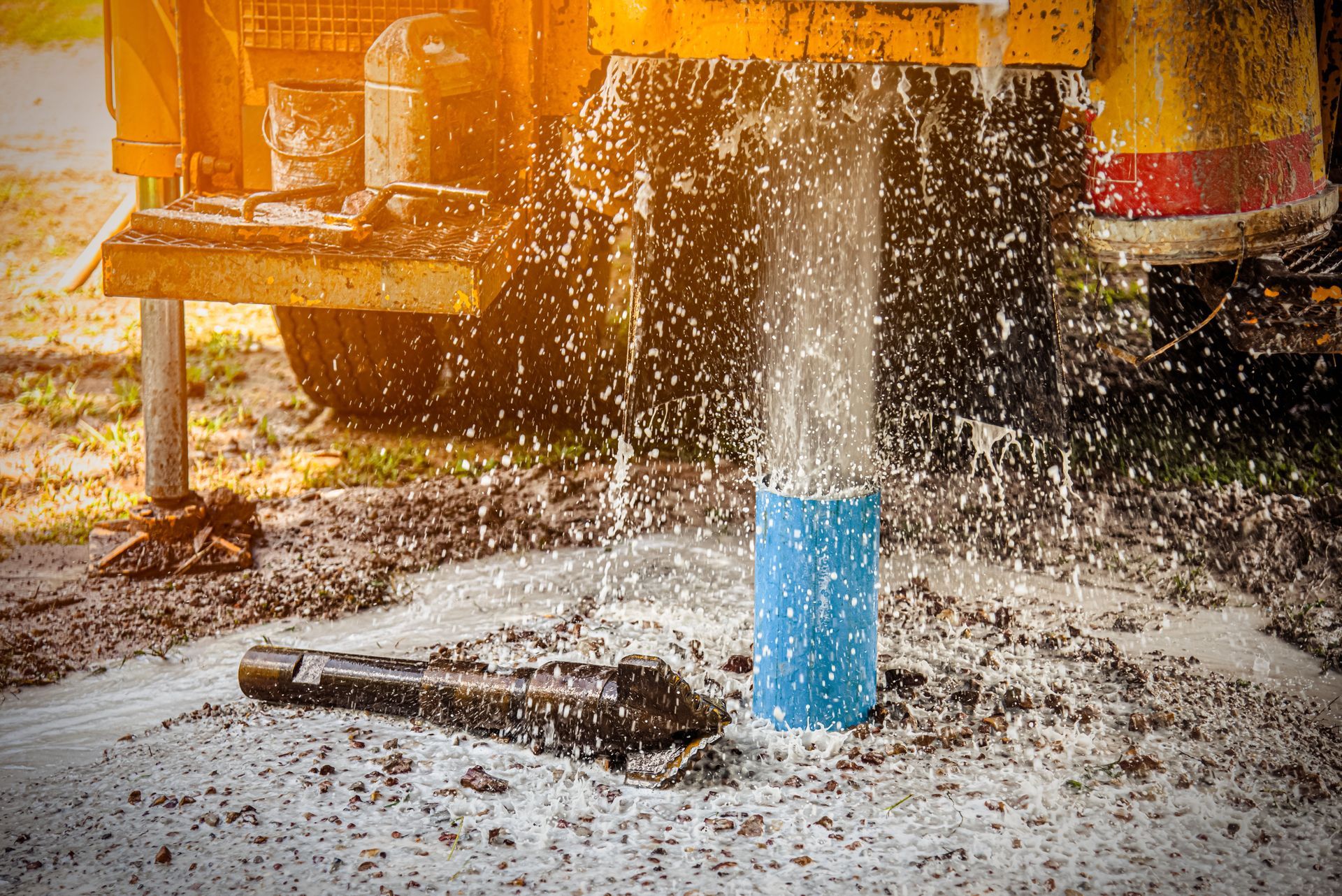
The drilling phase is only one part of creating a functional private water supply. After the borehole reaches an appropriate groundwater source, the well may require casing, sealing, development, testing, and connection to the pumping system. Each stage contributes to the performance and protection of the completed installation. Asking a contractor to explain the sequence can help homeowners understand what to expect during the project and what information will be available when the work is finished. This also creates an opportunity to discuss site restoration and the condition of the property after drilling activities are completed.
Consider Water Yield and Household Demand
The amount of groundwater available can influence whether a proposed well is appropriate for a particular household. A professional assessment can consider expected well yield alongside the home's anticipated water demand, including bathrooms, kitchens, laundry, irrigation, and other regular uses. A well that produces enough water for typical demand may still need appropriate storage or pumping equipment to handle periods of heavier use. Understanding these factors before installation helps homeowners establish realistic expectations for water availability.
Assess Water Quality Requirements
Groundwater can contain naturally occurring minerals or other substances that affect its quality, appearance, taste, or suitability for household use. Testing provides information about the characteristics of the water and can help identify whether treatment equipment may be appropriate. Water quality considerations can vary according to local geology, land use, and the specific groundwater source. Professional guidance can help homeowners understand testing results and determine which treatment considerations should be addressed as part of the overall system.
Plan the Pump and Pressure System
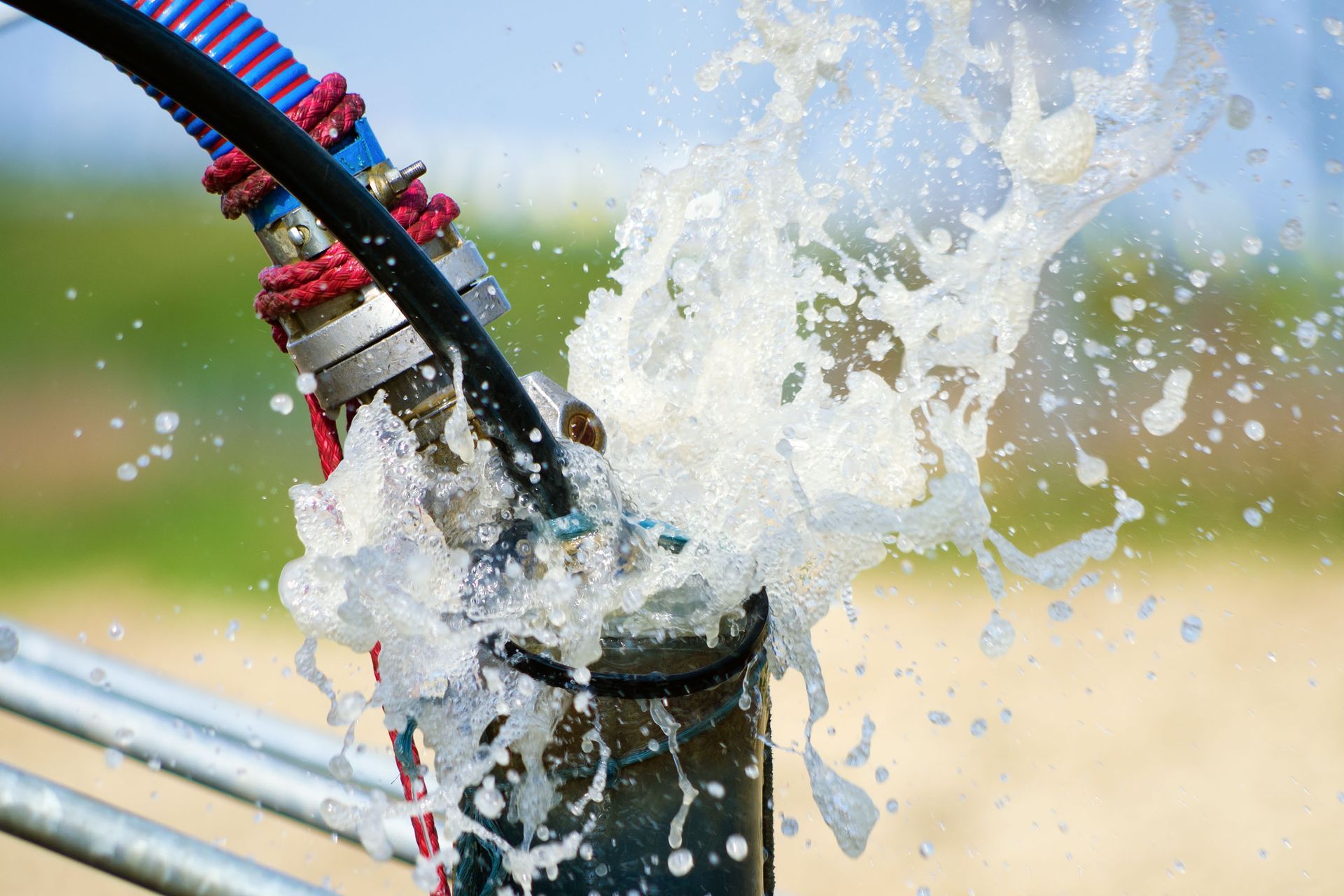
The pump is a central part of a private water supply because it moves groundwater from the well into the home's plumbing network. Pressure tanks, controls, piping, and other components work with the pump to regulate delivery and provide water throughout the house. Equipment selection should correspond with the well's characteristics and the household's expected demand rather than relying on a one-size-fits-all approach. Proper planning also helps create a system that can be evaluated and serviced efficiently when future maintenance is needed.
Understand Installation Access and Property Considerations
Drilling equipment requires sufficient access to the proposed site, and the installation process can affect portions of the surrounding property. The location of structures, driveways, landscaping, utilities, drainage features, and property boundaries may all need to be considered during planning. A professional drilling contractor can evaluate access requirements and coordinate the work around site conditions. Discussing these details before equipment arrives can help reduce conflicts and establish a practical installation plan.
Review Applicable Regulations and Documentation
Well installation may be subject to local or state requirements concerning construction, location, water quality, setbacks, abandonment, or other aspects of groundwater use. Requirements vary by jurisdiction, so homeowners should understand which rules apply to their property before work begins. Professional contractors can help identify the documentation and regulatory considerations associated with the project. Keeping installation records, construction information, testing results, and equipment details can also make future service and property transactions easier to manage.
Plan for Long-Term Well Maintenance
A newly installed well is designed to serve the property for years, but ongoing attention remains important for maintaining system performance. Homeowners should understand the recommended inspection, testing, pump service, and equipment maintenance practices associated with their installation. Changes in water pressure, flow, appearance, taste, or unusual system operation can provide reasons to schedule professional evaluation. Establishing a maintenance plan helps homeowners monitor the condition of the complete water supply system rather than waiting until a significant problem affects household use.
Prepare for Future Water System Needs
Homeowners should consider how their water demands could change after installation. Household additions, increased irrigation, property improvements, or changes in occupancy can affect the amount of water the system needs to deliver. Discussing possible future demands with a drilling professional can help determine whether equipment capacity and system design should account for anticipated changes. Planning with the property's long-term use in mind can make the installation more adaptable and reduce the likelihood of needing major modifications later.
Choose Professional Water Well Installation Services
Installing a water well requires coordination between groundwater conditions, drilling methods, construction components, pumping equipment, water quality considerations, and applicable requirements. A professional drilling company can evaluate these factors together and develop an installation approach suited to the property. Experienced planning also gives homeowners an opportunity to understand what the system includes and how its components work together. Selecting qualified professionals for the project can provide a clearer path from initial site evaluation through installation and future service.
If your property requires a new water well, Geyer Drilling Company Inc can help you navigate the drilling and installation process from the initial planning stages through completion. We can evaluate the conditions relevant to your property, coordinate the appropriate drilling work, and help establish a water supply system suited to your household's needs. Our team can also help you understand the major components involved in installation and the considerations that may affect future service. Contact Geyer Drilling Company Inc to discuss your property and learn more about professional
water well installation services.