October 27, 2026
Drilling a residential water well is a significant undertaking for homeowners seeking a reliable and self-sustained water source. This comprehensive guide explores the intricate process of well drilling, from preparation to maintenance, ensuring you are informed every step of the way. By understanding the various aspects involved in establishing a residential water well, homeowners can significantly enhance their property's value and sustainability. As municipal water systems face increasing pressures from aging infrastructure, personal wells offer a practical alternative to ensure consistent water supply. With proper planning and maintenance, residential water wells can provide clean and safe drinking water while contributing to a greener and more efficient household.
The Basics of Water Well Drilling
Types of Water Wells
Water wells can be classified into several types, with dug wells, drilled wells, and driven wells being the most common. Dug wells are typically shallow and constructed manually, making them suitable for areas with a high water table. Drilled wells are deeper and require specialized machinery to penetrate rocky substrates, offering more reliability. Driven wells involve driving pipes into the ground and are often used in sandy areas. Selecting the right type of well depends on various factors, such as local geography, desired water yield, and budget constraints, necessitating a thorough evaluation of options.
Geological Considerations
The geological composition of an area plays a crucial role in determining the success of a water well. Conducting a thorough geological survey can reveal valuable insights into soil and rock formations, water table depth, and potential contamination sources. It is essential to understand these factors to avoid costly mistakes and ensure optimal drilling results. In regions with complex geology, collaboration with a geologist or hydrologist can be invaluable in predicting well performance. Thus, evaluating geological conditions is an indispensable step in the planning phase of well construction.
Legal Requirements and Permits
Before embarking on a residential water well drilling project, homeowners must navigate a labyrinth of legal requirements and permits. Each jurisdiction has distinct regulations governing well placement, depth, and water usage to ensure environmental safety and public health. Failing to comply with these regulations can lead to significant legal consequences and delays. Consequently, it is advisable to research local regulations and consult with regulatory bodies early in the process. Securing the necessary permits and adhering to legal guidelines is essential for a smooth and successful drilling project.
Choosing a Professional Drilling Company
The choice of a drilling company can significantly impact the efficacy and cost-effectiveness of the well installation process. Homeowners should seek companies with certified professionals who have extensive experience in local geology and well construction techniques. It's imperative to vet potential companies by reviewing their track records, asking for references, and obtaining multiple quotations to compare services and prices. A reliable company will offer comprehensive support, from initial site assessments to post-installation maintenance. Investing in a reputable drilling company ensures quality workmanship and long-term peace of mind.
Estimated Costs and Budgeting
Drilling a residential water well involves variable costs that depend on several factors, including well type, depth, and local geology. While initial consultations and permits represent a fraction of the budget, equipment rental, labor, and materials constitute the bulk of expenditures. Homeowners must also factor in potential costs for water treatment and ongoing maintenance. According to Infrastructure Report Card, America's drinking water systems require more than $625 billion over the next 20 years to reach a state of good repair, suggesting the importance of investing in up-to-date, efficient equipment. Effective budgeting ensures financial readiness for unforeseen expenses during and after installation.
The Drilling Process: From Start to Finish
Site Selection and Planning
Choosing the optimal location for a residential water well involves several considerations, both environmental and technical. Proximity to potential contamination sources, such as septic systems and agricultural activities, must be avoided to ensure water purity. Additionally, the selected site should account for future landscaping plans or construction projects that could affect well integrity. Engaging with professional geologists and hydrologists can provide invaluable insights into water availability and soil characteristics. By carefully evaluating potential sites, homeowners can mitigate risks and optimize the long-term performance of their wells.
Drilling Equipment and Techniques
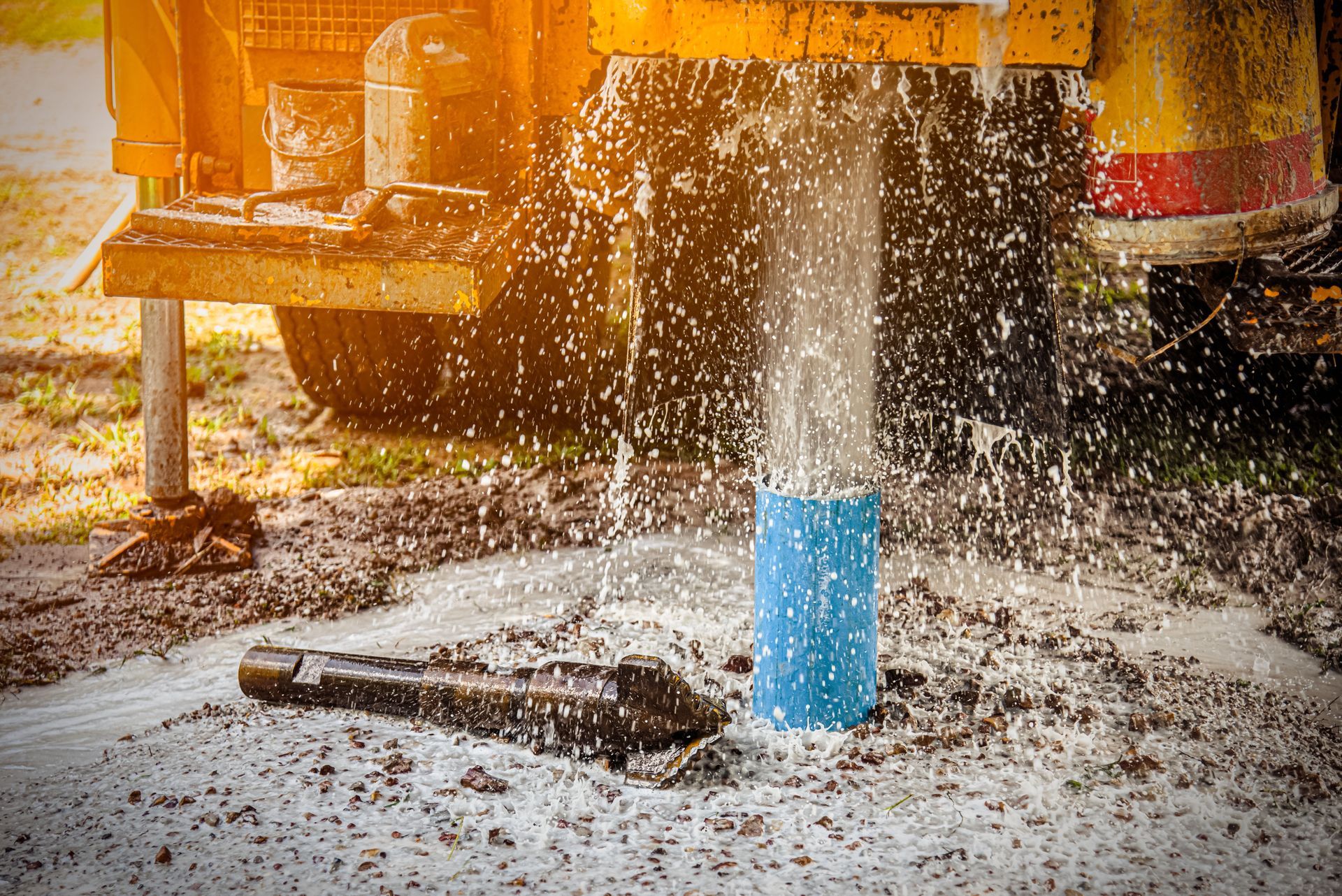
Modern well drilling employs advanced equipment and techniques to efficiently reach aquifers and create robust wells. Rotary drilling, often favored for deeper wells, involves a rotating drill bit and circulating fluid to remove cuttings and stabilize the borehole. Another method, cable tool drilling, uses percussive force and is more suitable for rocky substrates. The choice of equipment and technique will depend on geological conditions and desired extraction depth. New innovations, such as hydraulic fracturing and air rotary systems, offer enhanced drilling precision and reduced environmental impact.
Water Testing and Quality Assurance
Once drilling is complete, testing the water quality is vital to ensure its safety for consumption. Various tests can detect contaminants like bacteria, nitrates, and heavy metals, ensuring that the water meets health standards. Engaging laboratories and professionals for accurate testing and analysis can provide peace of mind and prevent potential health risks. Regular water quality testing, even post-installation, can identify emerging contamination issues and facilitate timely rectification. By prioritizing water testing, homeowners can safeguard their families and enhance the utility of their well.
Water Well Maintenance
Regular Inspection Schedule
Maintaining a water well involves implementing a regular inspection schedule to detect signs of wear and potential issues. Inspections should cover the well casing, cap, and surrounding area, ensuring no damage or contamination avenues. Routine checks can identify problems early, avoiding costly repairs and ensuring continuous, safe operation. Engaging with professional inspectors periodically can provide expert evaluations and recommendations for maintenance. Establishing a comprehensive inspection routine empowers homeowners to extend the life of their well and maintain water quality.
Pump and Equipment Maintenance
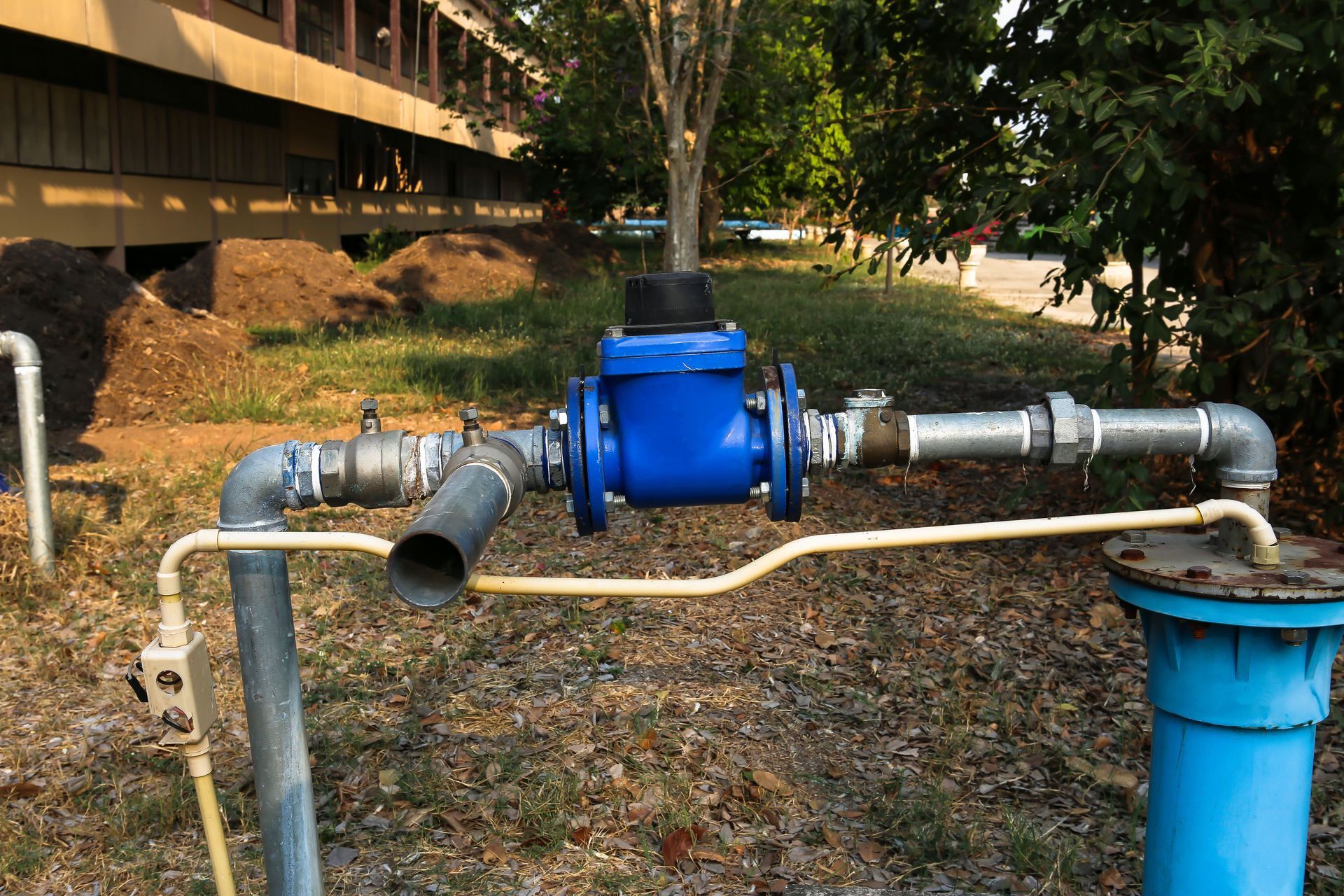
Pumps are vital components of water well systems, requiring regular maintenance to ensure efficiency and longevity. Routine checks involve monitoring pump performance, checking for unusual noises, and inspecting electrical connections. Regular lubrication and cleaning, performed by qualified technicians, can prevent pump failures and costly replacements. Homeowners should also schedule periodic evaluations of related equipment, such as pressure tanks and filtration systems. Consistent maintenance practices minimize the likelihood of operational disruptions and enhance the reliability of the water supply.
Troubleshooting Common Well Issues
Understanding and troubleshooting common well issues are essential for timely intervention and resolution. Problems like loss of water pressure or cloudiness may indicate component malfunctions or contamination, requiring immediate attention. Basic diagnostics involve checking pressure settings, examining electrical connections, and reviewing water quality testing results. Professional assessments can identify complex issues and recommend necessary repairs or replacements. By staying informed and proactive, homeowners can swiftly address operational challenges and ensure uninterrupted access to quality water.
Hiring Professional Maintenance Services
Professional maintenance services can provide extensive support for intricate well system issues beyond basic homeowner capabilities. Technicians offer specialized tools and expertise, diagnosing and resolving problems efficiently and safeguarding against future risks. They can also provide guidance on upgrades and system optimizations to enhance performance and water quality. The decision to engage professional services should weigh the complexity of the issues faced against potential repair costs and benefits. Ultimately, professional maintenance ensures comprehensive care and peace of mind regarding the water well's functionality and reliability.
Emphasizing informed decision-making throughout the well drilling process is paramount for securing a sustainable and safe water supply. Homeowners should continually seek updated information on advancements in water technology and evolving regulations to maintain their wells' efficacy and safety. As global concerns around water resources increase, conscientious practices and innovations will ensure the continued viability of wells as a renewable water source. Regular maintenance, monitoring, and active participation in conservation efforts are central to achieving optimal well performance. With commitment and knowledge, homeowners can contribute positively to water resource sustainability and home well-being. If you want to learn more about
water well drilling, reach out to Geyer Drilling Company Inc today!